The object has a plan
The visual gag is the oldest comedy on film, partly because early cinema had no sound to lean on. Everything had to be readable from across a room: a body, a prop, a problem. That limitation produced a remarkably durable toolkit, and it still works in a ten-second phone video.
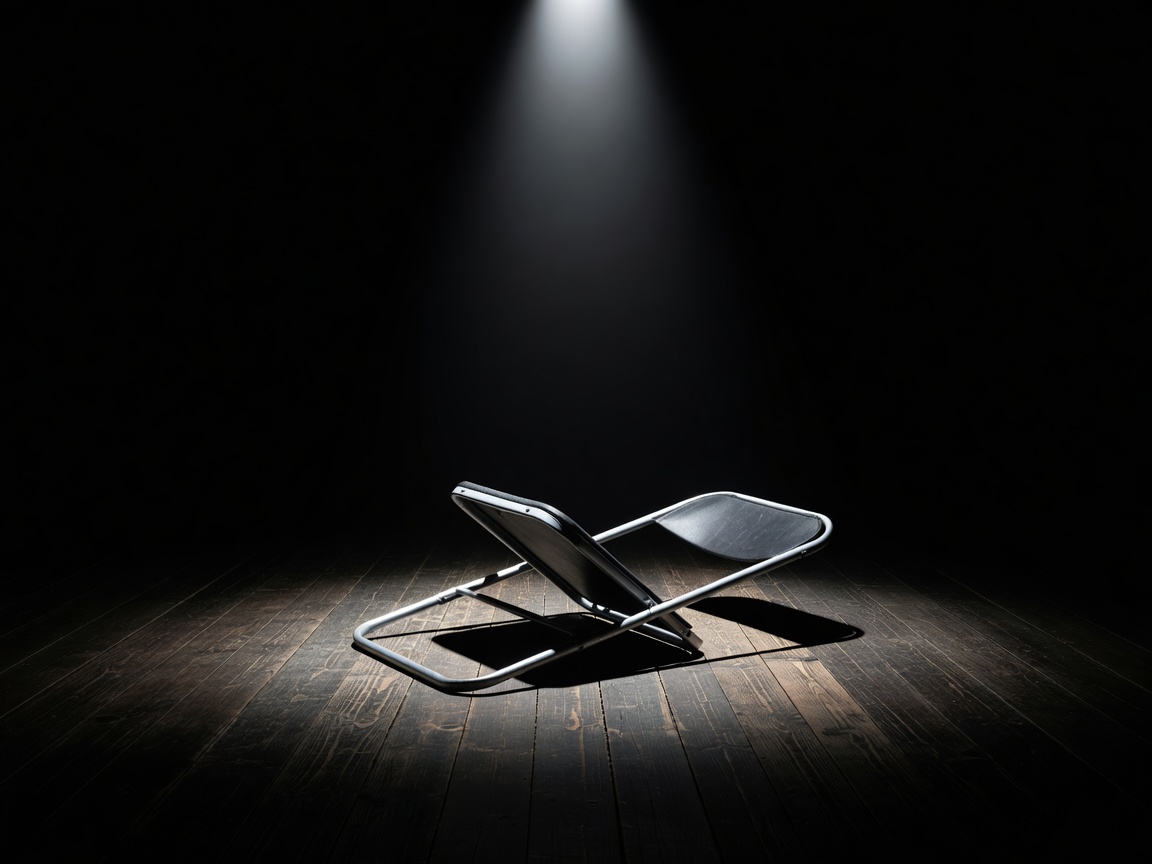
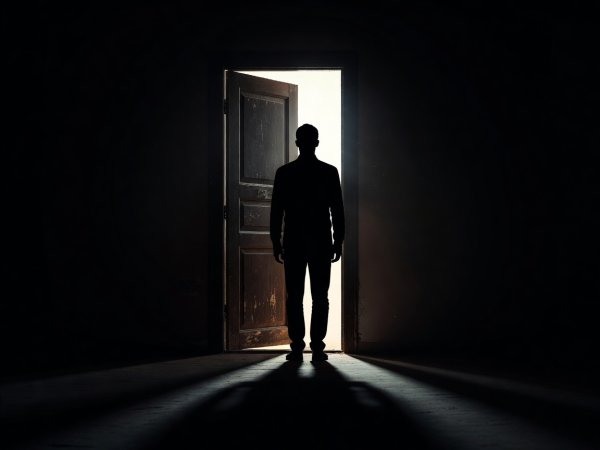
The core idea is simple. Pick something everyone uses without thinking — a chair, a door, a ladder, a hat — and let it behave as if it had opinions. The audience brings decades of experience with that object, so the moment it misbehaves, they feel the wrongness before they can explain it.
Buster Keaton's most quoted moment, the falling house facade in Steamboat Bill, Jr. (1928), works because he does nothing. The open window lands exactly around him and he simply stands there. The stillness is the punchline. Laurel and Hardy took the opposite approach in The Music Box (1932), which won an Academy Award for best comedy short: a piano, a long flight of steps, and an endless series of small defeats.