Parody

Parody: Twist the Familiar

Parody borrows a shape everyone recognises, then lets one part of it wander off. The audience's knowledge does most of the heavy lifting.

Keep the form, bend the content

Every genre has conventions audiences have absorbed without trying: the slow zoom before a reveal, the swelling music at a heroic moment, the narrator who speaks in serious, gravelly tones. Parody uses those conventions as a stage and drops something unsuitable onto it.

Airplane! (1980), written and directed by Jim Abrahams and David and Jerry Zucker, is the classic example. It reproduces the look and rhythm of a 1950s airline disaster film almost exactly, and casts actors known for serious roles, including Leslie Nielsen. They deliver absurd lines with total sincerity. The joke depends on nobody in the film realising it is a comedy.

Nielsen took the same deadpan approach into The Naked Gun (1988), parodying the hard-boiled police drama. The genre stayed intact; the detective simply misunderstood everything around him with complete confidence.
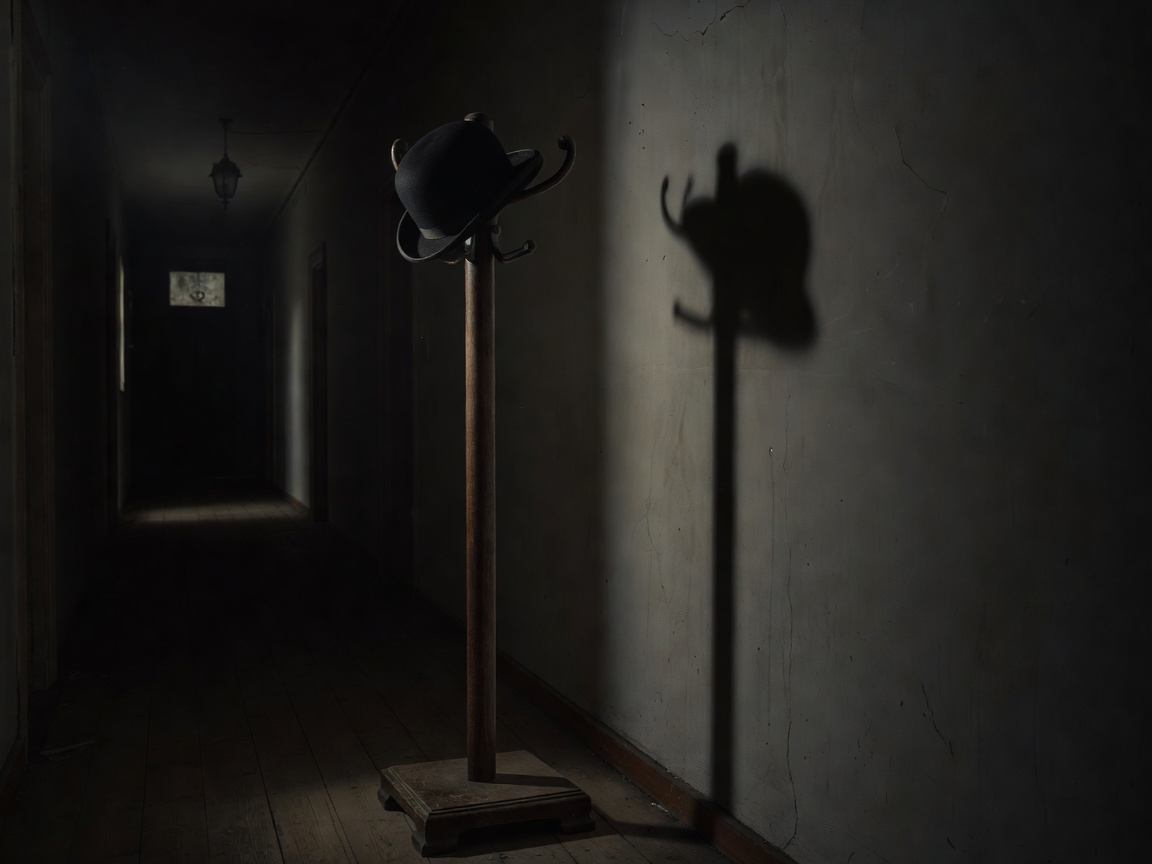
A black bowler hat on an empty coat stand in a dim corridor with a long dramatic shadow
Setup
Shoot this hat with spy-thriller lighting and tense music.
Payoff
The grave narrator reveals it has been "on assignment" in the hallway since Tuesday.
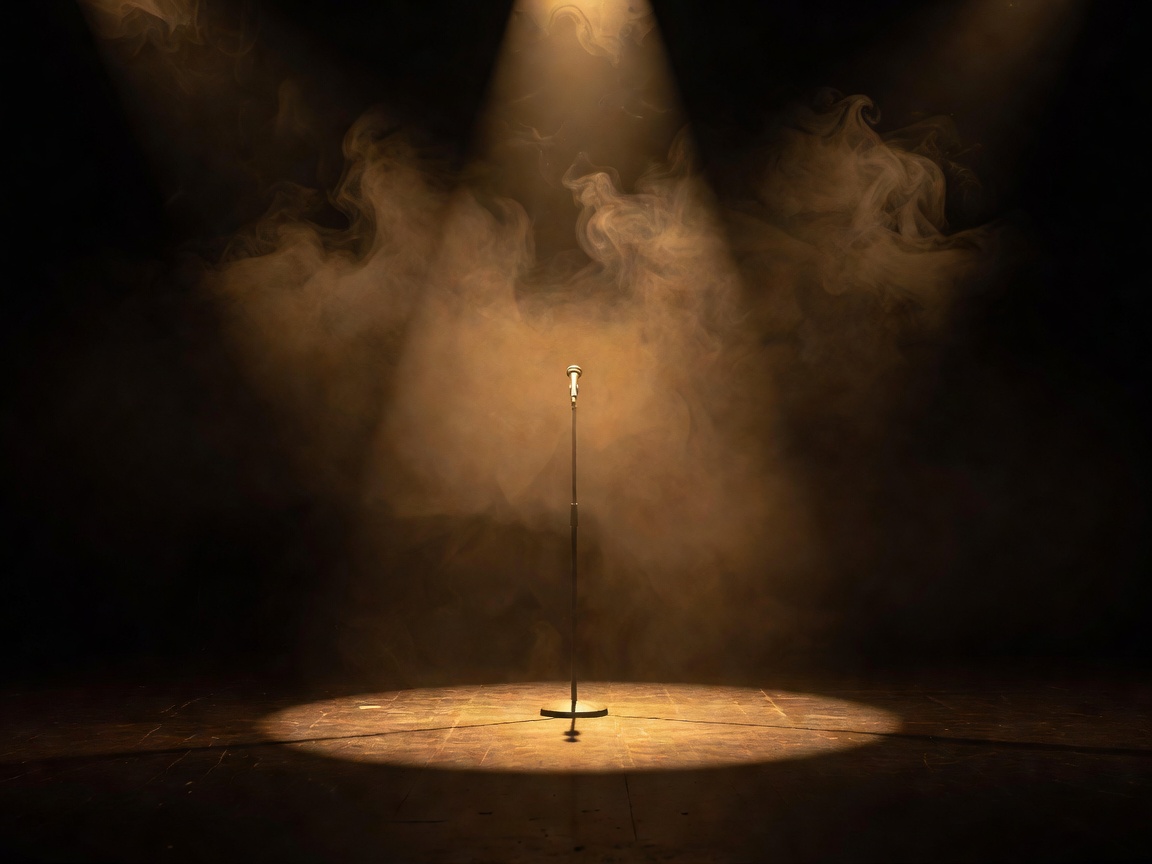
An empty microphone stand on a smoky stage under a single amber spotlight
Setup
A band prepares for a legendary comeback concert on this stage.
Payoff
The documentary crew films reverently as they argue about the snack rider.

Affection makes it sharper

Mel Brooks shot Young Frankenstein (1974) in black and white and reused the look of 1930s horror films. The parody works because it is clearly made by people who love those films. The details are accurate, so the deviations are precise.

This Is Spinal Tap (1984), directed by Rob Reiner, applied the same care to the rock documentary and helped popularise the mockumentary format later used by countless sitcoms and online creators. "Weird Al" Yankovic's long career in musical parody follows the pattern too: faithful arrangements, new and unlikely lyrics.

Parody that sneers at its target tends to age quickly. Parody that understands its target can outlive it.

Parody or satire?

The two often overlap, but a useful distinction: parody imitates a specific work, style or genre; satire uses humour to criticise people, institutions or ideas. A parody of a cooking show is about cooking shows. A satire that uses a cooking-show format might be about consumer culture. Many great pieces do both.

A method for creators

  1. List the conventions. Watch several examples of the genre and write down every recurring move: shots, phrases, music cues, poses.
  2. Pick one to break. Choose the convention you can twist most clearly. Changing everything just produces a different genre.
  3. Reproduce the rest faithfully. Lighting, pacing and framing should look right. Accuracy is what makes the twist visible.
  4. Play it straight. Performers should treat the absurd as entirely normal, as the cast of Airplane! did.
  5. Escalate within the genre. Let the twisted convention grow, as you would heighten a sketch.

Short-form platforms are full of formats ripe for this: unboxing videos, morning routines, nature documentaries about household pets. Choose a format your audience already knows by heart.

Parody may involve borrowing from real works. Laws on parody, fair dealing and fair use vary by country, and nothing here is legal advice. When in doubt, make the imitation stylistic rather than copying actual footage or music.

Keep exploring