Comic editing

Editing: Leave Room for the Laugh

The edit is the last performance a joke gets. A few frames either way can turn a shrug into a punchline — or bury it.

The face does the work

Early in the twentieth century, Soviet filmmaker Lev Kuleshov demonstrated that audiences read the same neutral face differently depending on what it was cut against. Comedy editors use this constantly. A blank expression after a disaster reads as stoic; the same expression after a compliment reads as suspicious.

That is why the reaction shot is so often where the laugh lives. The British version of The Office (2001) built much of its comedy on a single wordless glance to camera, letting the viewer share the discomfort. The joke happens on screen, but the laugh is released in the cut to someone who noticed.

Editor Walter Murch, in his book In the Blink of an Eye, argues that emotion should usually come first when choosing a cut. In comedy, the emotion you are protecting is anticipation. Cut too early and you rob the audience of it.
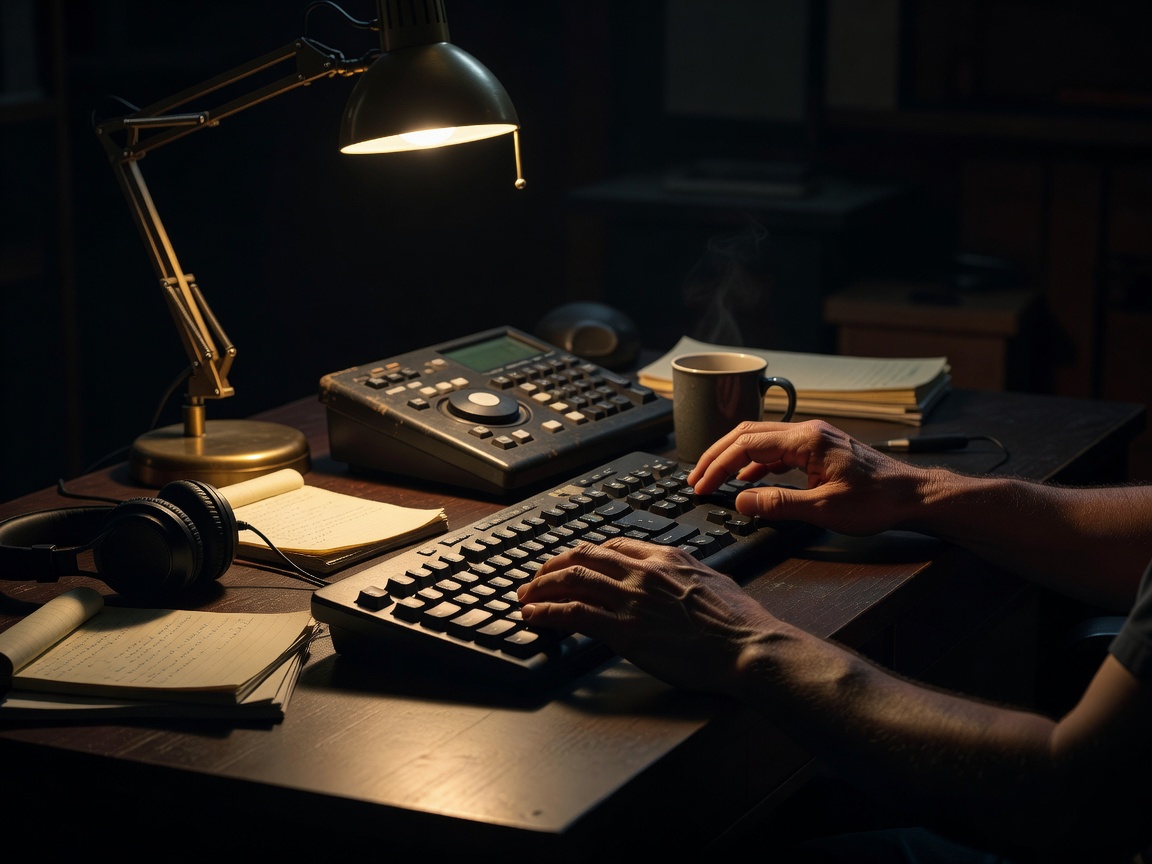
An editor's hands on a keyboard at a dark desk lit by a single warm lamp
Setup
Imagine the editor deciding where a reaction shot should begin.
Payoff
Starting it half a second early lets the audience see the character realise.

Same footage, two edits

Here is an imagined scene: someone confidently announces they will not fall asleep during a film, then does. The raw footage is identical in both versions below. Only the cuts change.

Version A: explaining the joke

  1. Medium shot: "I will absolutely stay awake."
  2. Slow dissolve to a clock showing time passing.
  3. Cut to them sleeping, with a snoring sound effect added.

Clear, but the dissolve warns the audience and the sound effect labels the joke.

Version B: the smash cut

  1. Medium shot: "I will absolutely stay awake."
  2. Hold for one beat on their determined face.
  3. Hard cut, no transition: fast asleep, same framing, popcorn on their chest.

Matching the framing makes the contrast instant. Silence lets the audience fill in the time.

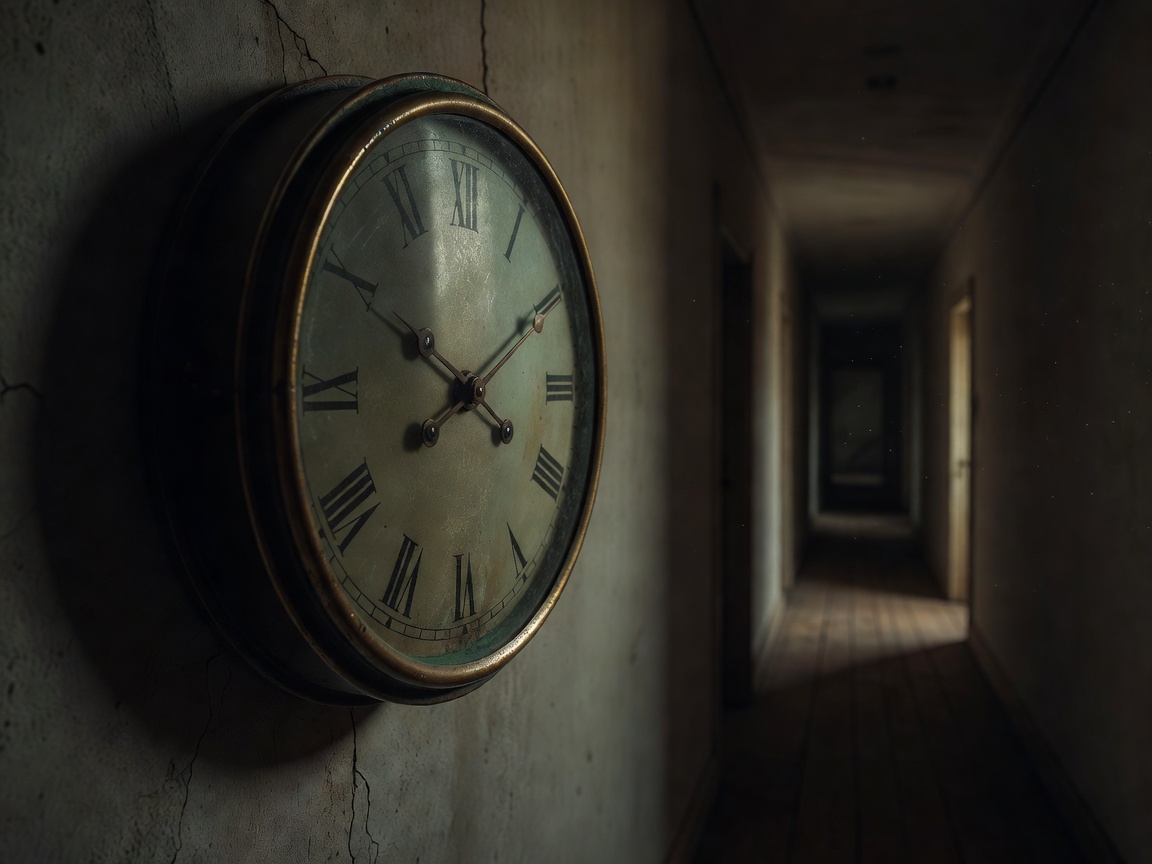
An old wall clock in a dim hallway, its face half in shadow
Setup
A slow push in on this clock suggests a long, tense wait.
Payoff
Cut back to the character: they have only been waiting for toast.

Map the beats before you cut

Before touching the timeline, write down what the audience should feel at each moment. This simple map tells you where to hold and where to snap.

  1. Expectation. Mark the frame where the viewer first predicts what will happen.
  2. Delay. Decide how long to let that prediction sit. Usually shorter than you fear, longer than you want.
  3. Turn. Cut to the unexpected outcome. Hard cuts are often stronger than transitions.
  4. Reaction. Hold on a face that registers what happened. This is the release.
  5. Exit. Get out before the laugh fully ends. Lingering deflates it.

A small glossary of comic cuts

TechniqueWhat it doesWhen to use it
Smash cutJumps abruptly to a contrasting momentTo contradict a confident statement
Reaction holdStays on a face after the eventWhen the character's realisation is the joke
Quick-cut montageCompresses a routine into rapid insertsTo make mundane tasks feel heroic
Match cutLinks two shots by shape or framingTo make a contrast instantly readable
Delayed revealWithholds the wide shotWhen context changes the meaning

Edgar Wright's films, including Shaun of the Dead (2004) and Hot Fuzz (2007), are widely studied for their quick-cut montages, where making tea or getting dressed is edited like an action sequence. The comedy comes from the mismatch between grand technique and tiny task.

Edits can sharpen a joke but rarely rescue one that is not there. If no cut works, the problem is usually upstream — in the setup or the performance.

Keep exploring